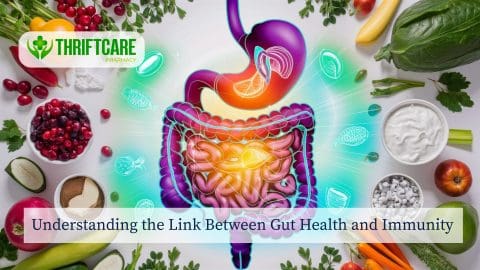

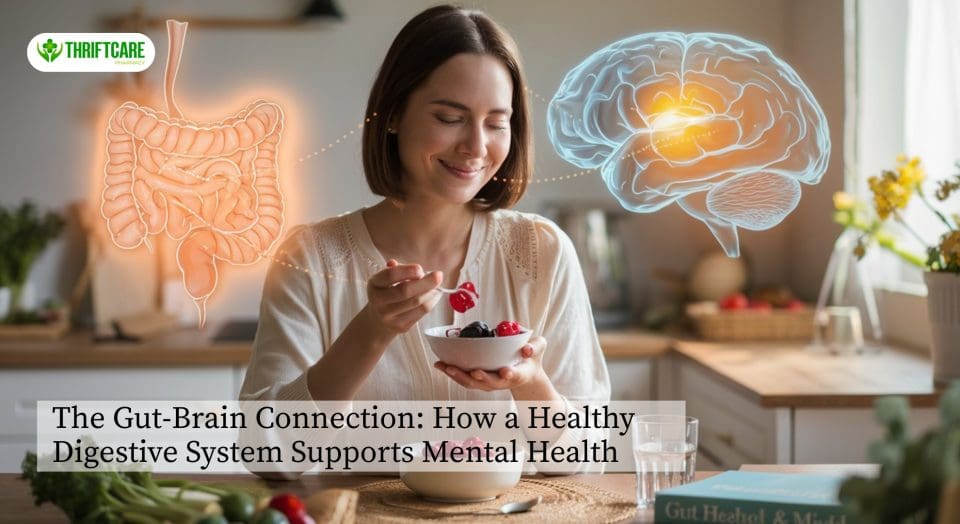
Did you know that your stomach and your brain are in constant conversation? This fascinating relationship is known as the gut brain connection, and it plays a huge role in how we think, feel, and even remember. While the topic might sound complex, the truth is simple: a healthy gut often means a healthier, clearer, and calmer mind.
In this article, we’ll explore the gut brain connection explained—why it matters, what gut brain connection symptoms to look out for, and practical tips on how to improve gut brain axis health. Let’s discover why your gut might be the secret key to better mental health.
What is the Gut Brain Connection? Explained Simply
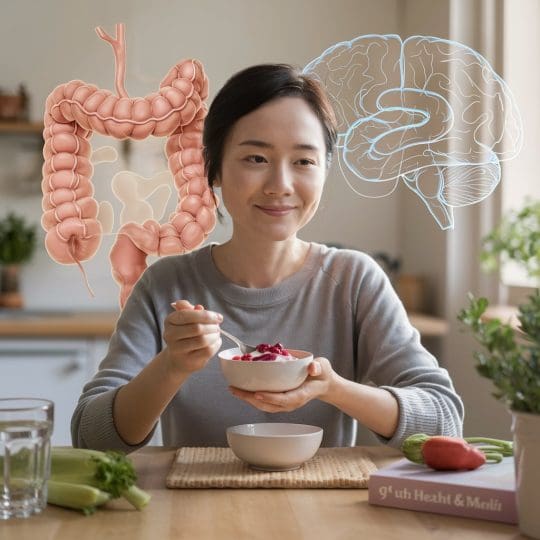
The gut brain connection is the two-way communication system between your gut and your brain, known scientifically as the gut brain axis. Imagine a dedicated high-speed internet line linking your digestive system and your nervous system—constantly transmitting data back and forth.
This connection works through:
- The vagus nerve, one of the longest nerves in the body
- Hormones and neurotransmitters like serotonin and dopamine
- The immune system, which reacts to inflammation in the gut and can influence the brain
This explains why changes in digestion can directly affect mood and vice versa. In fact, research shows that gut microbiome and mental health are deeply linked because the gut produces up to 90% of serotonin—the chemical that helps us feel happy.
Gut Brain Connection Symptoms: What Should You Notice?
You might be wondering, “What are gut brain connection symptoms?” Recognizing these signs can help protect both your digestive health and mental well-being.
Common gut brain connection symptoms include:
- Brain fog – Difficulty focusing or slow thinking
- Mood swings – Feeling irritable or unusually emotional
- Anxiety and stress – Increased nervousness without clear cause
- Digestive problems – Bloating, constipation, diarrhea
- Fatigue – Feeling tired even after enough sleep
- Low motivation or sadness
- Poor memory or forgetfulness
- Sleep disturbances
These gut brain connection symptoms often overlap because the brain and gut are constantly sharing signals. An unhealthy gut can disrupt neurotransmitter production, leading to mental health challenges.

The Gut Microbiome and Mental Health
The gut microbiome is the ecosystem of trillions of bacteria, viruses, and fungi living in your digestive system. These microbes are like invisible helpers that:
- Digest food
- Create vitamins
- Reduce inflammation
- Produce neurotransmitters
A balanced gut microbiome supports mental clarity, while imbalance (called dysbiosis) can lead to gut brain connection symptoms such as mood swings, anxiety, and even depression.
Many experts now see the gut as the “second brain” because of this strong gut health and mental health relationship.
How Gut Affects Brain: The Science
So, how gut affects brain? Here are key facts:
- Gut bacteria help produce mood-regulating chemicals (e.g., serotonin, GABA).
- Inflammation in the gut can trigger inflammation in the brain, linked to depression.
- A “leaky gut” may allow harmful substances to enter the bloodstream and reach the brain, worsening gut brain connection symptoms.
In short: caring for your gut microbiome isn’t just about digestion—it can directly protect mental well-being.
Foods for Gut Brain Health: Eat Smart, Feel Better
What you eat directly shapes the gut brain connection. Choosing the right foods can reduce gut brain connection symptoms and support emotional resilience.
Top foods for gut brain health:
✅ Fermented foods: yogurt, kefir, kimchi, sauerkraut
✅ Prebiotic-rich foods: garlic, onions, bananas, oats
✅ Omega-3 fatty acids: salmon, walnuts, flaxseeds
✅ Colorful fruits & vegetables: full of antioxidants and fiber
✅ Polyphenol-rich foods: berries, dark chocolate, green tea
These foods feed good bacteria, reduce inflammation, and boost production of brain-friendly chemicals.
How to Improve Gut Brain Axis: Practical Daily Tips
If you’re struggling with gut brain connection symptoms, lifestyle changes can help restore balance.
Here’s how to improve gut brain axis health:
1️⃣ Eat a diverse diet – Feed a wide range of good bacteria
2️⃣ Reduce processed foods and added sugars – They feed harmful bacteria
3️⃣ Stay hydrated – Supports digestion and brain function
4️⃣ Prioritize sleep – At least 7–8 hours supports gut health and mental clarity
5️⃣ Exercise regularly – Even light walks support microbiome diversity
6️⃣ Manage stress – Try deep breathing, meditation, or mindfulness
7️⃣ Consider probiotics – Ask your pharmacist for advice on supplements
Together, these habits can lower inflammation and reduce gut brain connection symptoms.
Gut Health Mental Clarity: Real Life Benefits
A balanced gut brain axis can transform daily life:
- Better concentration and productivity
- Less anxiety and more stable mood
- Improved memory and mental clarity
- Higher energy levels
By caring for your gut, you support mental health naturally—without relying only on medication.
Your Partner in Gut & Mental Wellness: Thriftcare Pharmacy
At Thriftcare Pharmacy, we believe in holistic health. Our pharmacists can help:
- Recommend probiotics and supplements tailored to your needs
- Offer guidance on foods for gut brain health
- Share practical tips to reduce gut brain connection symptoms
Don’t ignore signs like brain fog, mood swings, or digestive discomfort—they might point to an imbalanced gut brain axis. We’re here to help you feel better from the inside out.
Gut Brain Connection Explained
The gut brain connection is more than a buzzword—it’s a real biological pathway linking digestive health and mental health. When the gut is healthy:
- You experience fewer gut brain connection symptoms
- Mood and clarity improve naturally
- You feel more resilient to stress
Key takeaways:
- Support your gut microbiome and mental health with food and lifestyle
- Watch out for gut brain connection symptoms like fatigue, brain fog, anxiety
- Use foods like yogurt, berries, and fatty fish to protect the gut brain axis
- Ask pharmacists about supplements to boost gut health and mental clarity
Understanding how gut affects brain empowers you to take simple steps that make a big difference.
Strengthening Your Gut Brain Connection for Better Health
Your gut and brain are more than just neighboring organs—they are biologically linked partners that communicate continuously. Supporting gut health directly helps maintain mental balance and clarity.
At Thriftcare Pharmacy, we’re committed to supporting your mental and digestive health journey. If you’re experiencing gut brain connection symptoms or want to learn more about how to improve gut brain axis, visit us today.
Together, let’s nurture a healthier gut, a calmer mind, and a happier you.